

LinkedIn post templates for ecommerce
Share the thinking behind a small shop with landscape posts about product clarity, packaging and care from fictional Fold & Field.
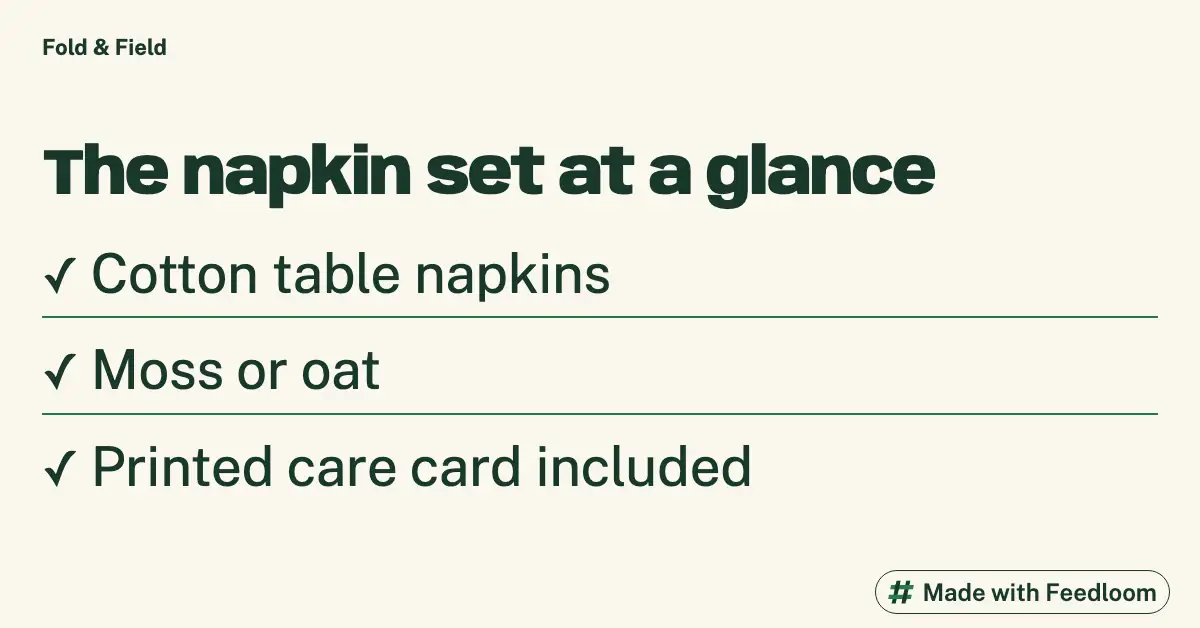
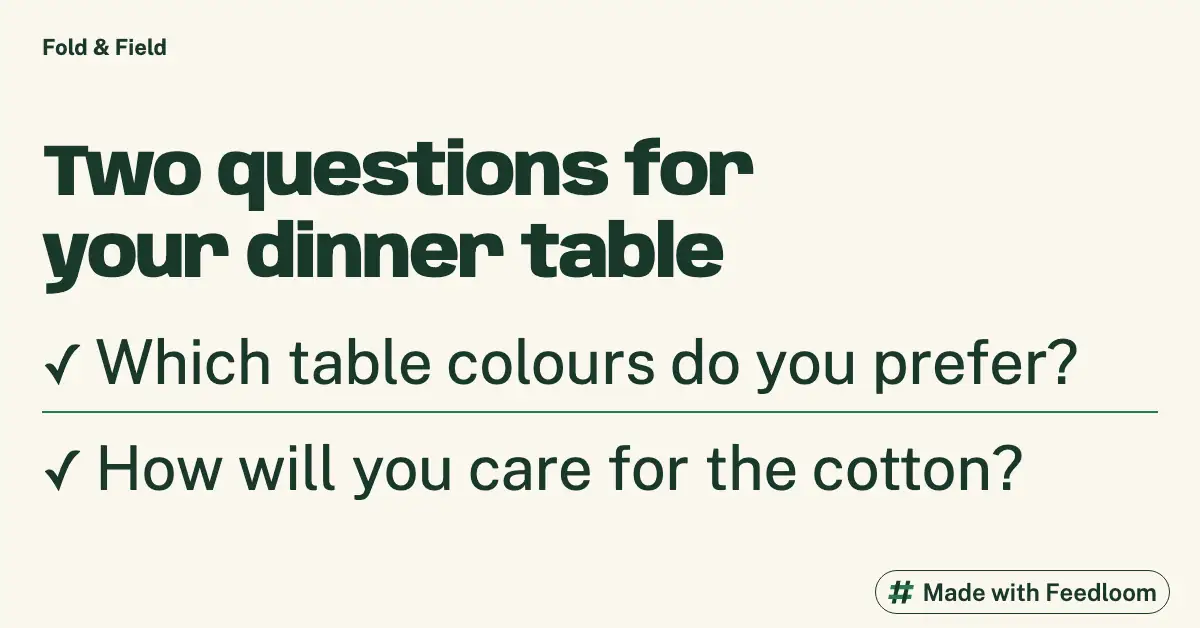
Fictional sample brand: Fold & Field. Real Feedloom renders from the notes below; not customer results.
What we gave Feedloom
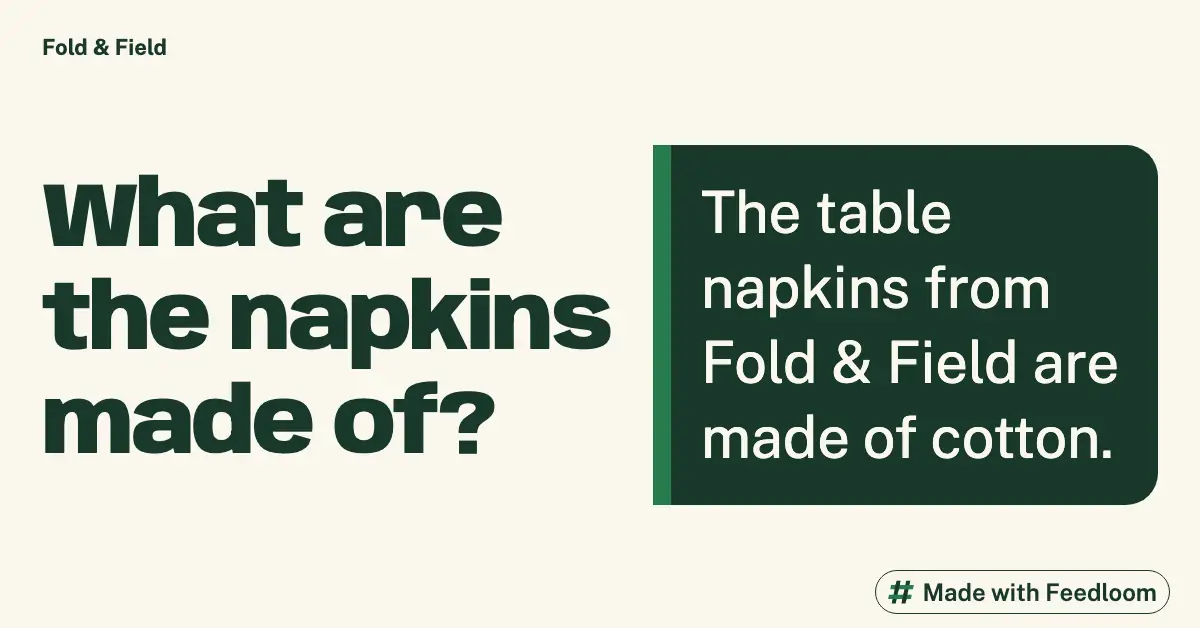
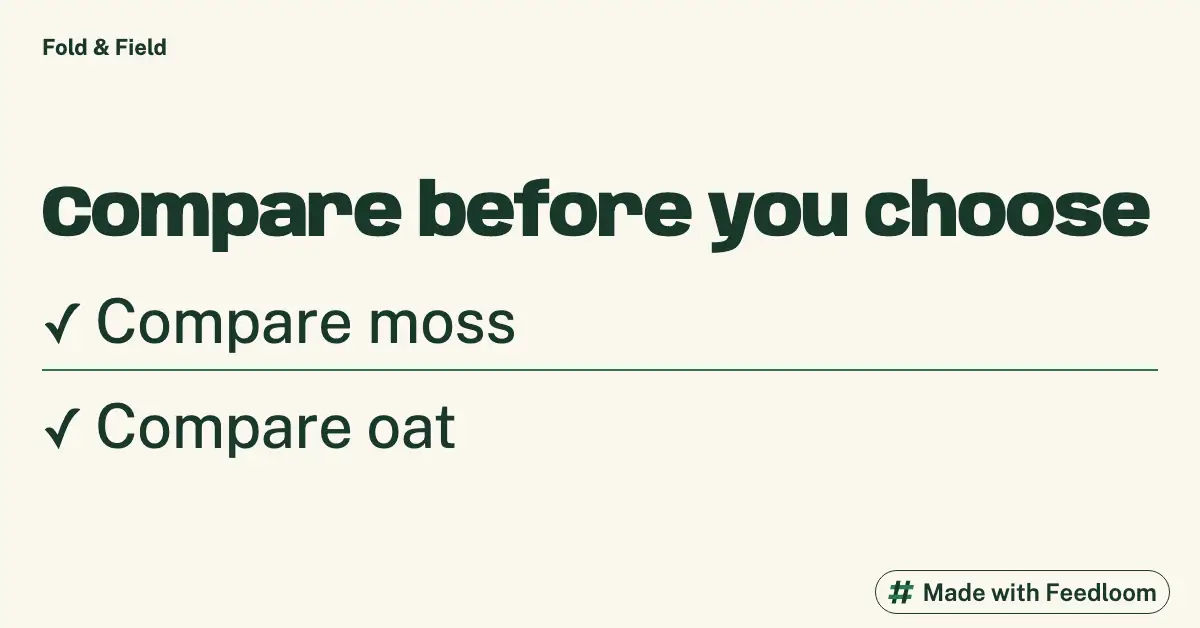
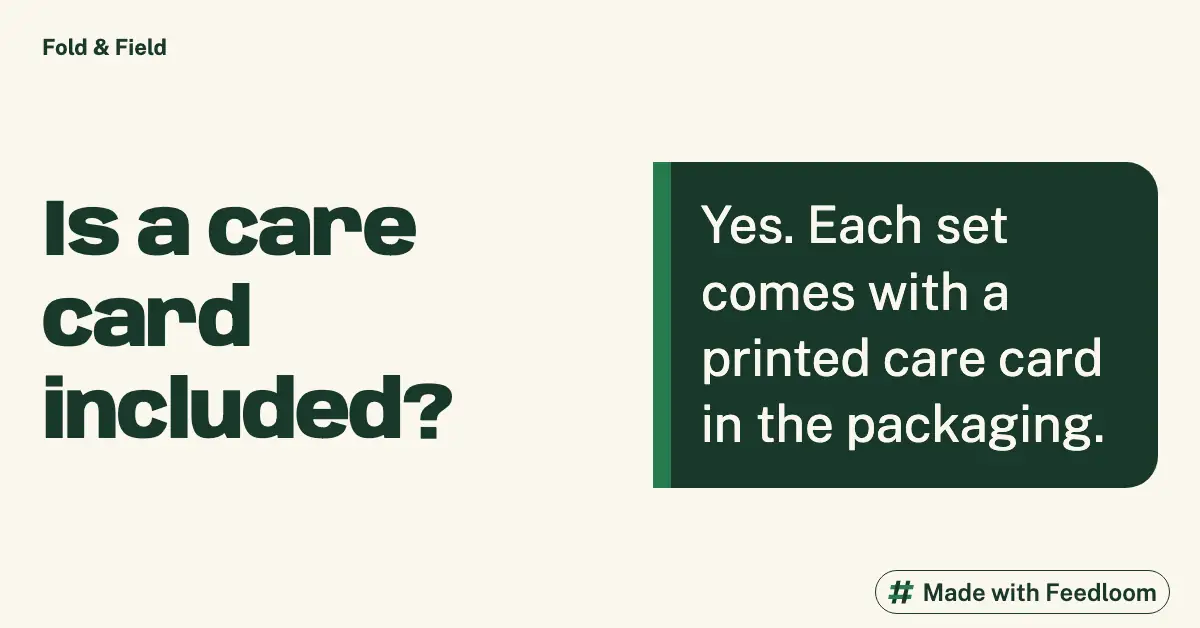
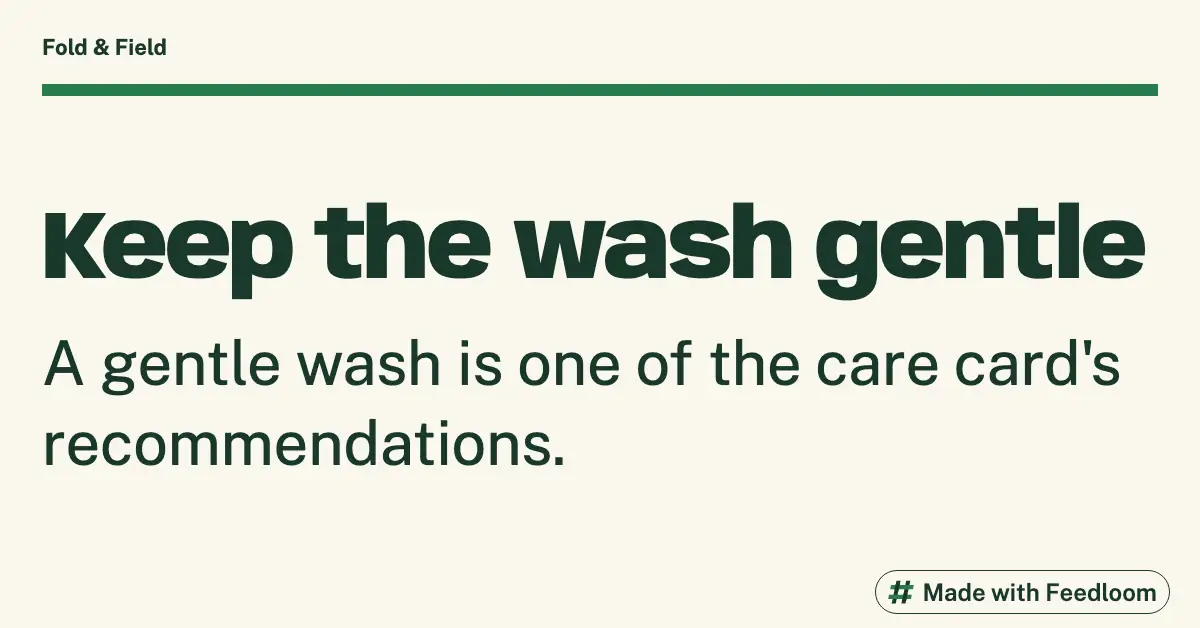
This sample retailer offers sets of four cotton table napkins in moss and oat. A printed card explains gentle washing and air drying. We use that narrow brief to discuss how a shop communicates what it sells. There is no supplier audit, sales report, wholesale programme or sustainability certification in the input. The LinkedIn series should show an editorial process, not invent a business case study.
Make the retail decision the story
A professional audience may find the reasoning behind a product page more useful than another request to shop. For Fold & Field, explain why the number of pieces belongs near the product name, why colour comparisons need consistent lighting and why care instructions should travel with the order. Present these as decisions you would review in a small retail business. Do not claim that a particular wording increased sales when the sample has no experiment. If your real shop has evidence, describe the measurement period, the change you made and the limitations. A useful post can also admit what you have not tested yet. That honesty leaves room for another shop owner to offer a different approach rather than forcing agreement with a universal rule.
Choose one operational detail per landscape image
The wide format works here as a short statement beside supporting context. Keep order quantities, materials and care instructions distinguishable. An attractive composition cannot substitute for an accurate product description. Put the fuller reasoning in the LinkedIn text and let the artwork carry the central question. For the sample, the size shown below is our rendering preset, not a claim that every LinkedIn placement uses the same crop. Keep essential words comfortably inside the canvas and inspect the preview at a narrow screen width. If you adapt this for wholesale buyers, add only the order terms that your business actually offers.
Eight angles to adapt
- Explain why the quantity in a set should be visible before checkout.
- Discuss the value of showing two product colours under comparable lighting.
- Describe the decision to include a care card without claiming it reduces returns.
- Ask retailers where they keep the source of their product-care instructions.
- Show how to separate styling accessories from the items in an order.
- Share a review checklist for a new table-linen product description.
- Talk about the information missing from a vague sustainability claim.
- Invite other shop owners to compare ways of answering repeat product questions.
A four-week example
- Week one: introduce product-information clarity through quantity and colour examples.
- Week two: discuss packaging information and the role of the printed care card.
- Week three: share a description review checklist and ask about source records.
- Week four: examine a claim you would remove and invite other retailers’ perspectives.
Render sizes and sources
Source renders: 1200 × 628 pixels (landscape). This is the Feedloom preset used here, not a universal LinkedIn placement requirement.
Source and input notesChecked 2026-10-04
Questions about these examples
Is this a wholesale sales page?
No. The fictional notes contain no wholesale terms. These are professional discussion posts about retail communication. If you sell wholesale, write a separate factual offer with the actual quantities, conditions and contact route.
Can I describe the napkins as sustainable?
The sample has no evidence for that claim. State the supplied material and care information instead. For a real product, check the exact scope of any certification and link the evidence before using broader language.
How much detail belongs in the artwork?
Enough to establish one decision or question. Move the explanation into the accompanying post. A small shop process is easier to discuss when the visual does not compete with a full paragraph of fine print.
What would make this a genuine case study?
Your own records: what changed, when it changed, what you measured and what else could explain the result. These sample designs provide none of that evidence, so keep them labelled as demonstrations.
Make these for your site
Create a free account. Feedloom reads your site and designs your first posts.
14 days of Pro free, starting when you connect your first account. No card.